
Email Marketing Services in Calicut
Powerful Email Marketing Services in Calicut for Business Growth
Our Email Marketing Services in Calicut help businesses connect with their target audience, nurture leads, and build long-term customer relationships. We create targeted email campaigns based on your business goals, audience interests, and customer journey. From professional newsletters and promotional emails to automated campaigns and personalized messages, every strategy is designed to improve engagement and generate meaningful results. With the right email marketing strategy, businesses can increase website traffic, generate qualified leads, and improve conversions.
Why Hire an Email Marketing Expert?
Effective email marketing requires more than creating attractive emails and sending them to a contact list. I develop customized email marketing strategies based on your business goals, target audience, customer behaviour, and marketing funnel. From building email lists to creating personalized campaigns, each stage is planned to improve communication and encourage meaningful customer action.
I also focus on important areas such as email segmentation, personalization, subject line optimization, campaign automation, audience targeting, and conversion tracking. This allows businesses to communicate more effectively with subscribers while building trust and maintaining consistent engagement with their audience.
What We Offer
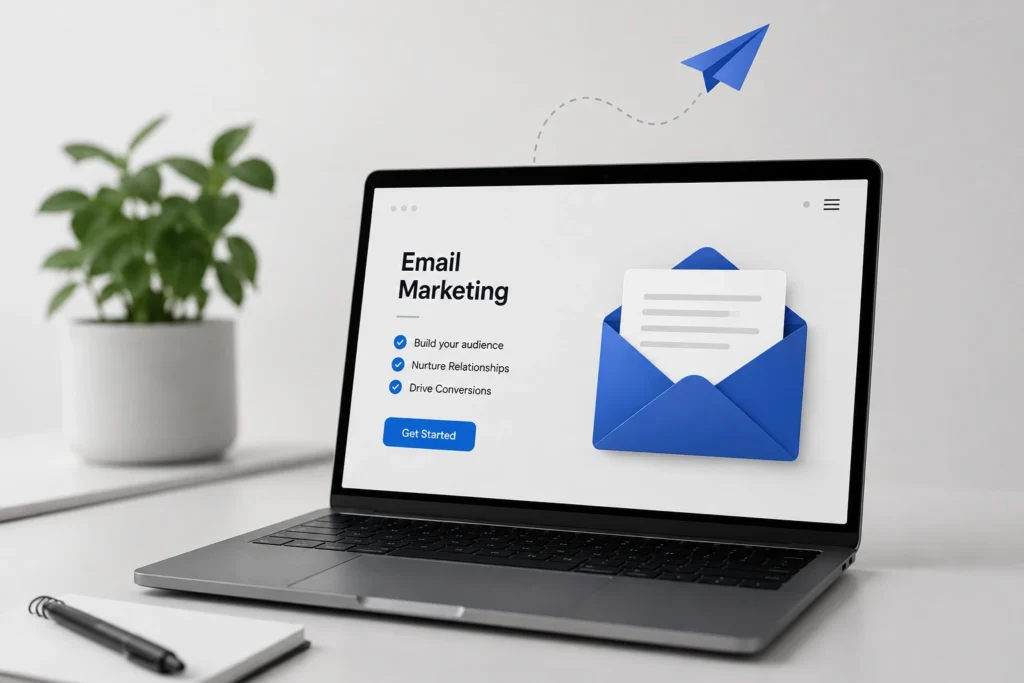
My email marketing services cover the essential elements needed to create and manage successful email campaigns. This includes email campaign management, newsletter marketing, promotional emails, automated email sequences, lead nurturing, email list management, audience segmentation, and performance analytics. Each campaign is customized according to your business objectives and customer journey. I create engaging email content that communicates your message clearly while encouraging readers to take action. Whether your goal is to promote a product, share valuable information, recover potential customers, or nurture leads, the campaign is structured around relevant messaging, personalization, clear calls to action, and measurable performance.
EMAIL CAMPAIGN MANAGEMENT
Plan and manage targeted email campaigns designed to keep your audience informed and engaged. Campaigns can include promotional offers, product announcements, business updates, seasonal messages, and customer-focused communication.
NEWSLETTER MARKETING
Build stronger relationships with your subscribers through valuable and consistent email newsletters. Educational content, company updates, useful tips, and industry insights can help maintain audience interest while strengthening your brand presence.
EMAIL ANALYTICS & OPTIMIZATION
Monitor important email marketing metrics such as open rates, click-through rates, engagement, conversions, and unsubscribe rates. These insights help identify what is working and allow campaigns to be continuously optimized for better results.
Can Email Marketing Really Bring Me More Customers?
Yes, when email marketing is planned around the right audience and business objectives, it can become an effective channel for lead generation and customer acquisition. Personalized messages, useful content, special offers, and timely follow-ups can encourage subscribers to visit your website, enquire about your services, or make a purchase.
Email marketing can also support long-term customer relationships after the first conversion. By combining email automation, personalized communication, customer segmentation, and relevant content, businesses can improve customer retention and encourage repeat engagement. The goal is not simply to send more emails, but to deliver useful messages that create value and support measurable business growth.
01+
Years of Experience
Decades of experience in delivering exceptional projects.
01+
Projects Delivered
Decades of expereince in deleivring exceptional projects.
10%
Client Satisfaction
I build long-term partnerships through proven results.
Our Happy Clients!
“Sinan’s email marketing strategy helped us connect with our customers more effectively. Our email engagement and customer responses improved significantly.”

“Professional, creative, and results-focused. The email campaigns were well-planned and helped us generate more leads and build stronger customer relationships.”

“I’m very happy with the email marketing service. The campaigns looked professional, reached the right audience, and helped increase customer engagement.”

Questions & Answers
What is Email Marketing?
Email marketing is a digital marketing method used to communicate with customers and potential customers through targeted email campaigns. Businesses can use it for newsletters, promotions, product updates, lead nurturing, customer retention, and automated communication.
Can Email Marketing Help Generate Leads?
Yes. Email marketing can support lead generation by nurturing potential customers with useful information, offers, follow-ups, and relevant content. A well-planned campaign can guide subscribers through the customer journey and encourage them to take action.
What Is Email Automation?
Email automation allows businesses to send predetermined messages automatically based on subscriber actions or specific conditions. Examples include welcome emails, follow-up emails, abandoned-cart messages, reminders, and lead nurturing sequences.
Can Email Marketing Increase Customer Retention?
Yes. Consistent and relevant communication can help businesses stay connected with existing customers. Personalized emails, loyalty offers, useful content, product updates, and follow-up campaigns can encourage repeat engagement and strengthen customer relationships